
In recent years, light therapy devices have gained significant attention for their potential to improve physical and mental health. Utilizing specific wavelengths of light, these devices aim to treat a variety of conditions ranging from seasonal affective disorder (SAD) to skin issues like acne and psoriasis. As more people seek alternative treatments that can be conveniently used at home, understanding how these devices work and their benefits is increasingly important.
This article will explore the science behind light therapy, delve into the different types of devices available on the market, and highlight their applications and effectiveness. By shedding light on this innovative approach to wellness, we aim to empower readers to make informed decisions about incorporating light therapy into their health regimens.
The Science Behind Light Therapy
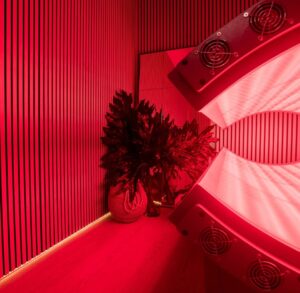
Light therapy operates on the principle that specific wavelengths of light can penetrate the skin and influence biological processes. For conditions such as seasonal affective disorder (SAD), this treatment mimics natural sunlight, helping to regulate sleep-wake cycles and improve mood. Meanwhile, in dermatology, wavelengths like red and near-infrared light have been found to promote collagen production, reduce inflammation, and accelerate healing in skin conditions such as acne and psoriasis. These physiological responses are facilitated by the light stimulating cellular activities, leading to various health benefits. One innovative approach in this domain is Red Light Therapy Whole Body, which utilizes full-body exposure to maximize therapeutic effects.
Types of Light Therapy Devices
The market for light therapy devices has expanded to include various options such as handheld lamps, LED face masks, and full-body beds. Each type of device is tailored to target specific concerns, whether it’s mood enhancement, skin rejuvenation, or athletic recovery. Handheld devices are particularly popular for localized treatments, while full-body systems are designed to deliver comprehensive benefits, making them ideal for multi-faceted health approaches. As users increasingly adopt these practices at home, educating oneself on the appropriate type of device and its intended applications becomes crucial for achieving optimal results.
In conclusion, light therapy devices present a promising alternative for enhancing both physical and mental wellness, offering a versatile range of applications from mood regulation to skin health. As consumers grow more health-conscious and seek convenient home treatments, understanding the various types of devices and their specific benefits is paramount. Whether addressing seasonal affective disorder or skin conditions, light therapy leverages the power of specific light wavelengths to foster healing and improvement. With ongoing research supporting its efficacy, light therapy stands as a compelling option in the broader spectrum of health and wellness therapies, encouraging individuals to explore its potential as part of a holistic approach to well-being.